
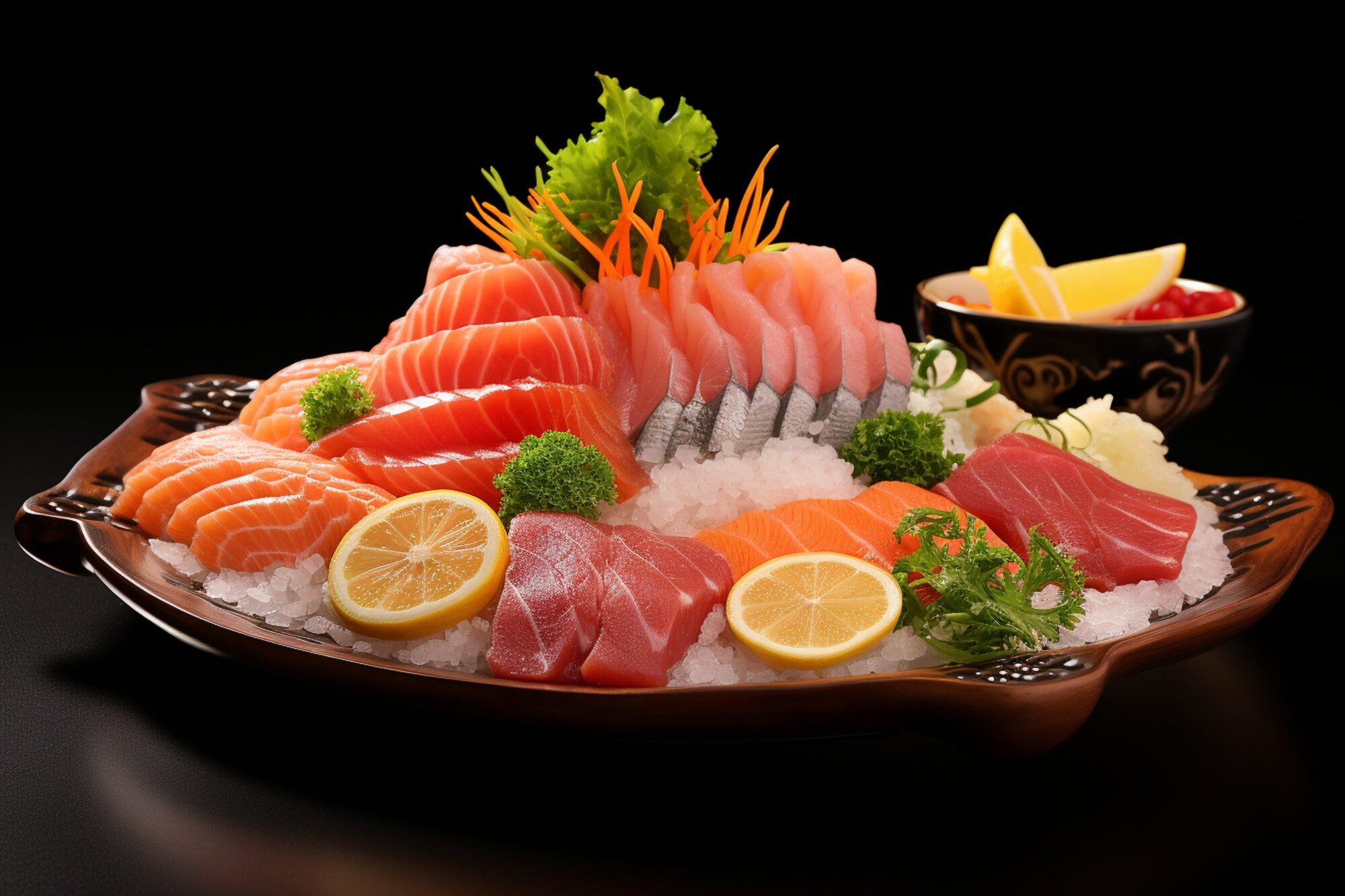
How to Slice Sashimi at Home: Knife Techniques for Different Fish Types
Fresh sashimi begins long before the knife touches the fish. It starts with sourcing — origin, handling, and temperature control. When you work with premium cuts from a trusted sashimi supplier in Singapore, the slicing becomes an art rather than a gamble. If you’ve ever admired the clean, glossy slices at your favourite Japanese restaurant, you’ll be pleased to know the technique is learnable. With the right knife, proper handling, and high-quality loins from a reliable sashimi provider, you can recreate restaurant-level Japanese sashimi at home.
Whether you are a home cook refining your skills or a small restaurant exploring sashimi wholesale options in Singapore for consistent quality, mastering slicing technique makes all the difference.
Why Learning to Slice Your Own Sashimi Saves Money
Buying pre-sliced sashimi trays is convenient, but slicing your own loins stretches value significantly.
When you purchase whole sashimi blocks, you:
- Control slice thickness
- Reduce waste
- Maximise portion yield
- Preserve freshness until serving
For home entertaining or catering prep, working with loins from a reputable sashimi supplier in Singapore also ensures traceability and handling standards that align with Japanese seafood benchmarks (as outlined by organizations like the Japan Fisheries and Seafood Information Center).
Essential Tools: Choosing the Right Sashimi Knife (Yanagiba)
The traditional knife for slicing sashimi is the Yanagiba — long, thin, and single-bevelled. Its length allows one continuous pull cut, which protects the fish’s texture.
If you’re a beginner:
- A 240mm–270mm Yanagiba is ideal
- Alternatively, a very sharp slicing knife can work
- Avoid serrated blades — they tear the flesh
The key principle: one clean stroke per slice. No sawing.
Professional kitchens and salmon sashimi wholesale suppliers emphasize sharpness above all else. A dull knife compresses fibers and releases moisture — resulting in dull, ragged slices.
Preparing Your Workspace and Sashimi Loin
Before slicing:
- Chill the fish — not frozen solid, but properly cold.
- Pat the surface dry with paper towels.
- Remove any visible sinew or membrane.
- Position the grain of the fish horizontally in front of you.
For example, when working with Salmon sashimi Saku, inspect the muscle lines. Slicing against the grain produces a softer mouthfeel.
Temperature control matters. Keep your loin refrigerated and only bring it out just before slicing. This standard is maintained by reputable sashimi wholesale suppliers to preserve texture integrity.
The Fundamental Sashimi Slicing Technique (Hira-zukuri)
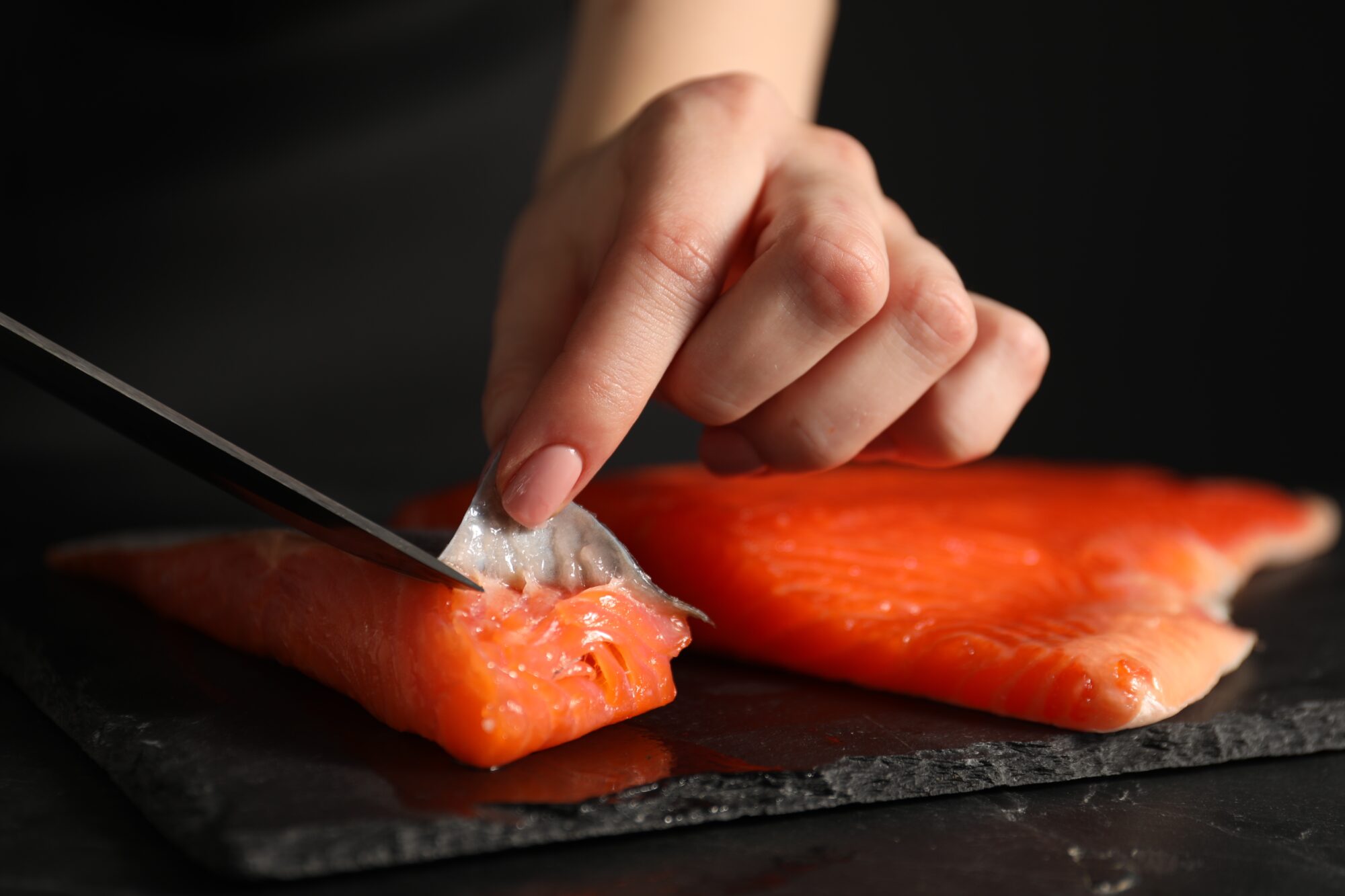
Hira-zukuri is the standard rectangular sashimi cut.
Steps:
- Place the heel of the blade near the top edge of the loin.
- Pull the knife toward you in one smooth motion.
- Do not press downward aggressively.
- Complete the slice with the tip of the blade.
Thickness guideline:
- 7–10mm for most fish
- Slightly thicker for fattier cuts
The motion should feel like drawing silk through air — controlled, deliberate, uninterrupted.
How to Slice Salmon Sashimi: Thickness and Angle
Salmon is forgiving, making it perfect for beginners.
When preparing
- Slice at a slight diagonal (about 45 degrees).
- Aim for 8–10mm thickness.
- Wipe the blade between cuts to maintain clean edges.
Because salmon has higher fat content, slightly thicker slices enhance its buttery texture.
For small restaurants seeking salmon sashimi, uniform thickness ensures consistent plating and cost control per portion.
Freshness test:
- Bright orange colour
- No dull grey edges
- Clean ocean aroma
These standards are upheld by established sashimi suppliers in Singapore..
Slicing Tuna Sashimi: Akami, Chutoro, and Ootoro Techniques
Tuna varies by fat content:
- Akami (lean)

- Chutoro (medium fatty)

- Ootoro (very fatty)

Lean cuts benefit from slightly thinner slices (6–8mm) to improve tenderness. Fatty cuts can be thicker to showcase marbling.
Use a longer pulling stroke for tuna. Avoid compressing the flesh, especially with Ootoro, where the fat structure is delicate.
If sourcing for events or catering, working with a reliable sashimi wholesale in Singapore partner ensures grading consistency.
Working with Delicate Fish: Scallops and Whitefish
Slicing Scallops (Hotate)

For premium scallops such as the Frozen Hokkaido Hotate:
- Thaw slowly in the refrigerator.
- Pat dry thoroughly.
- Slice horizontally into 2–3 rounds.
Each slice should be smooth and glossy. These are often marketed as sashimi scallop cuts — prized for sweetness and creaminess.
Is it safe to eat scallops raw?
Yes — when sourced from reputable suppliers who handle freezing and storage correctly.
Whitefish
Whitefish (like Hamachi or sea bream):
- Slice slightly thinner than salmon.
- Use a gentle pull cut.
- Keep the blade impeccably clean.
Whitefish bruises easily, so precision matters.
Common Mistakes That Ruin Sashimi Presentation
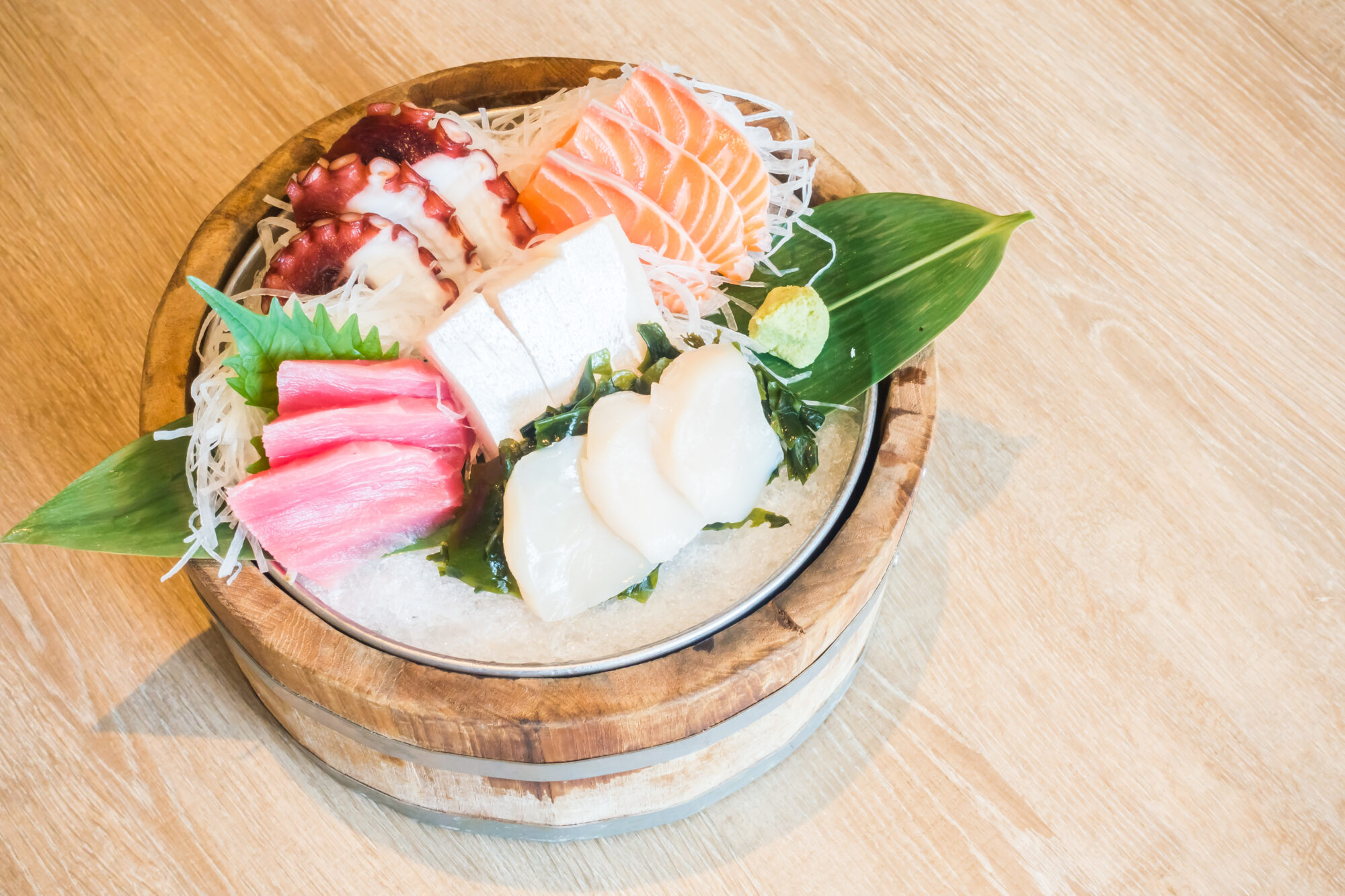
Even high-quality sashimi can look unprofessional if mishandled.
Avoid:
- Sawing back and forth
- Using a dull knife
- Slicing while the fish is too warm
- Uneven thickness
- Excessive handling
Professional kitchens and trusted sashimi suppliers in Singapore follow strict cold-chain practices.
Plating and Garnishing Your Home-Sliced Sashimi
Presentation enhances perception of freshness.
Simple plating tips:
- Arrange slices slightly overlapping.
- Use chilled ceramic plates.
- Add shredded daikon or microgreens.
- Serve immediately.
Keep soy sauce separate to prevent oversaturation.
For entertaining, pairing premium loins from a dependable sashimi supplier ensures your effort is matched by ingredient quality.
Where to Buy Sashimi Loins in Singapore for Practice
Skill improves with repetition and quality fish.
If you are searching for:
- Consistent sashimi wholesale supply
- Reliable sashimi delivery throughout Singapore
- Premium Japanese sashimi cuts
Slice with Confidence, Serve with Pride
Mastering sashimi slicing is a skill built on precision, patience, and premium sourcing. With practice — and loin from a trusted sashimi supplier — you can confidently serve restaurant-quality sashimi at home. Explore the full selection with Soshinsen’s premium-grade sashimi products and elevate your next sashimi platter today.
Frequently Asked Questions
What type of knife is best for cutting sashimi at home?
A yanagiba is ideal, but any long, razor-sharp slicing knife works.
How thick should sashimi slices be?
Typically 7–10mm, depending on fat content.
Can I use frozen fish for sashimi at home?
Yes, if it has been properly frozen and handled by a reputable sashimi wholesale singapore source.
What is the difference between sashimi-grade and regular fish?
It refers to handling, freezing, and freshness standards suitable for raw consumption.
How do I store sashimi after slicing?
Cover tightly and refrigerate. Consume within the same day for optimal quality.